Trainer Coach 1.
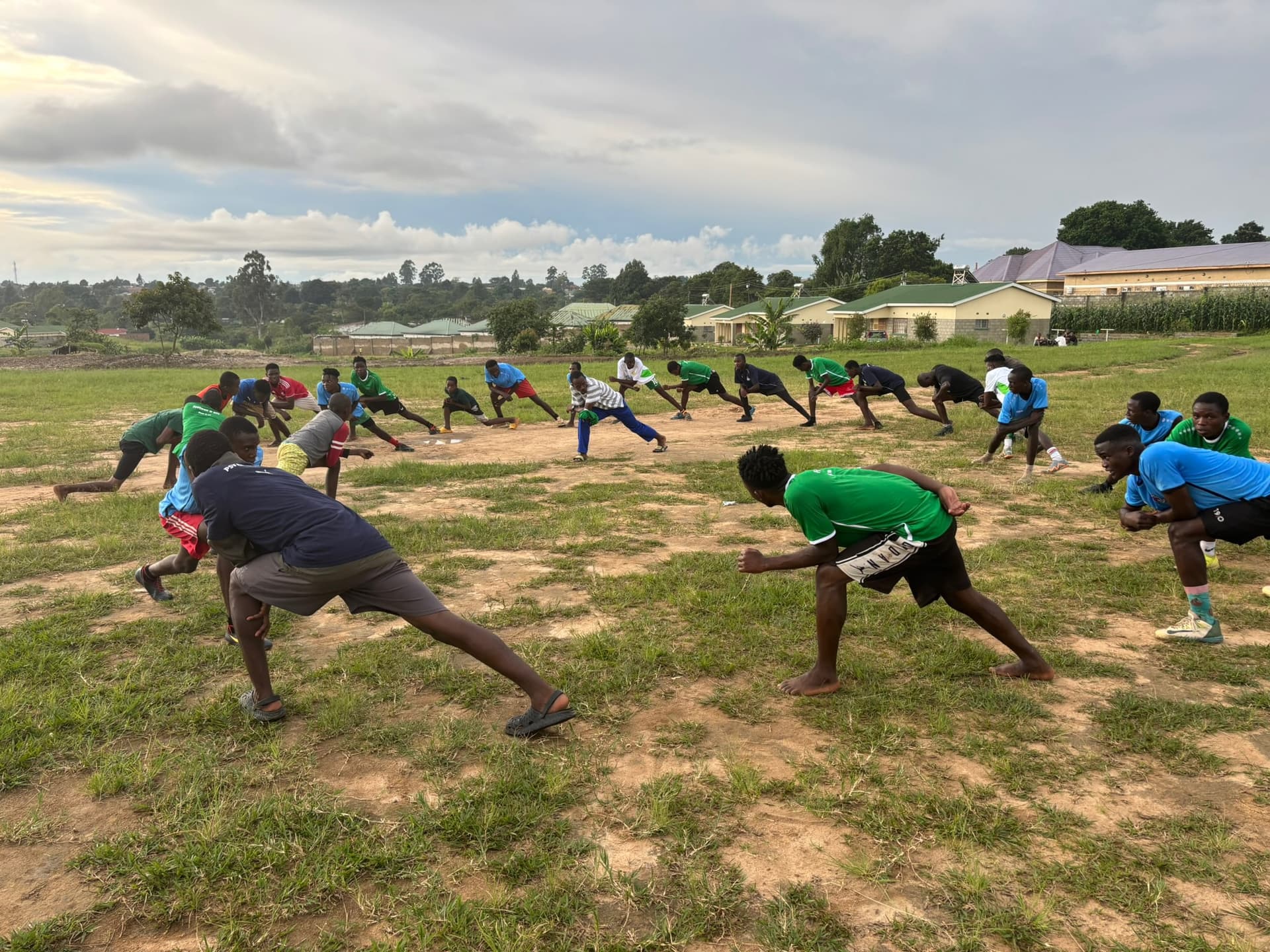
A three-day practical training for local coaches in Mzuzu. Cooperation, leadership and responsibility – developed with UNGWERU.
3
Days
Three-day practical training
15
Exercises
Across three core themes
3
Core themes
Cooperation · Leadership · Responsibility
6-8
Weeks follow-up
Ongoing coaching after certification
Why this training
Good coaches make the difference.
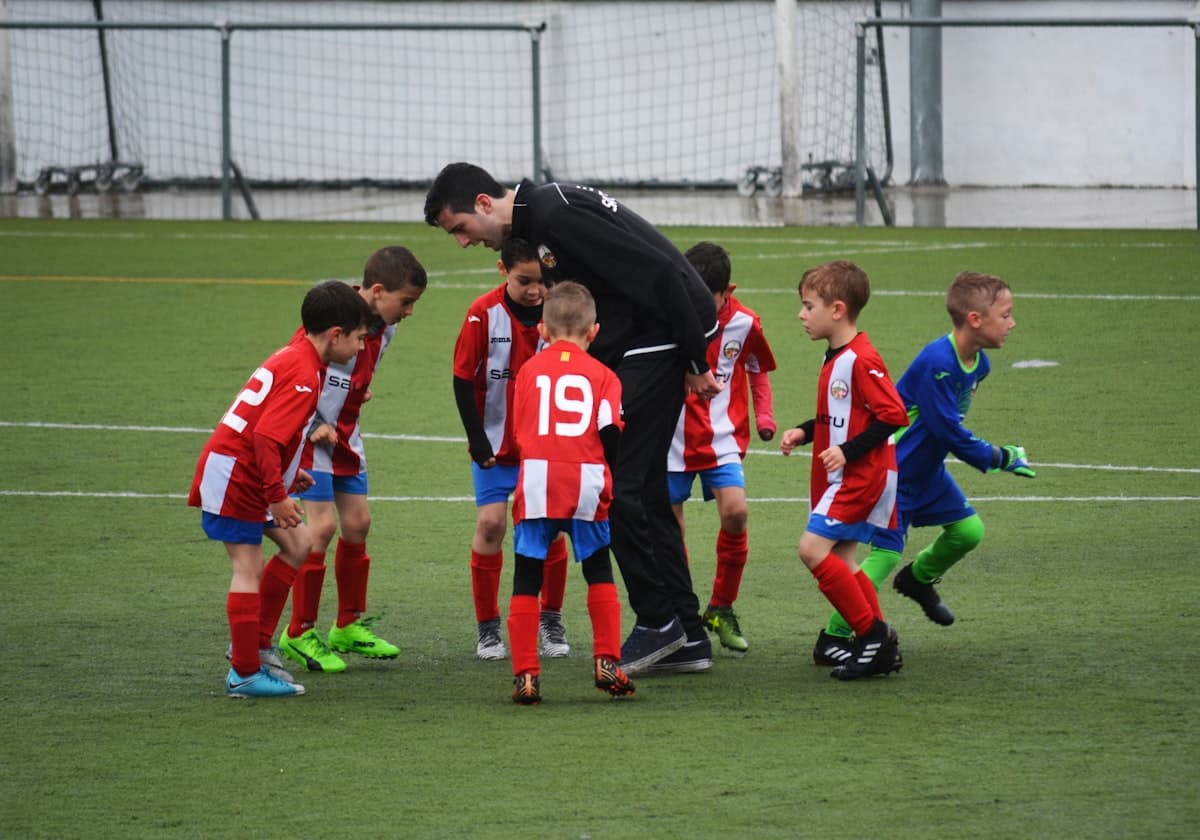
A football training can be more than technique and tactics. With the right coach, the pitch becomes a place where young people learn to cooperate, take responsibility and develop themselves.
That requires coaches who know what they are doing. The Trainer Coach 1 training gives local coaches in Mzuzu concrete tools. No theory for show, but practical exercise forms that can be applied directly in their own training sessions.
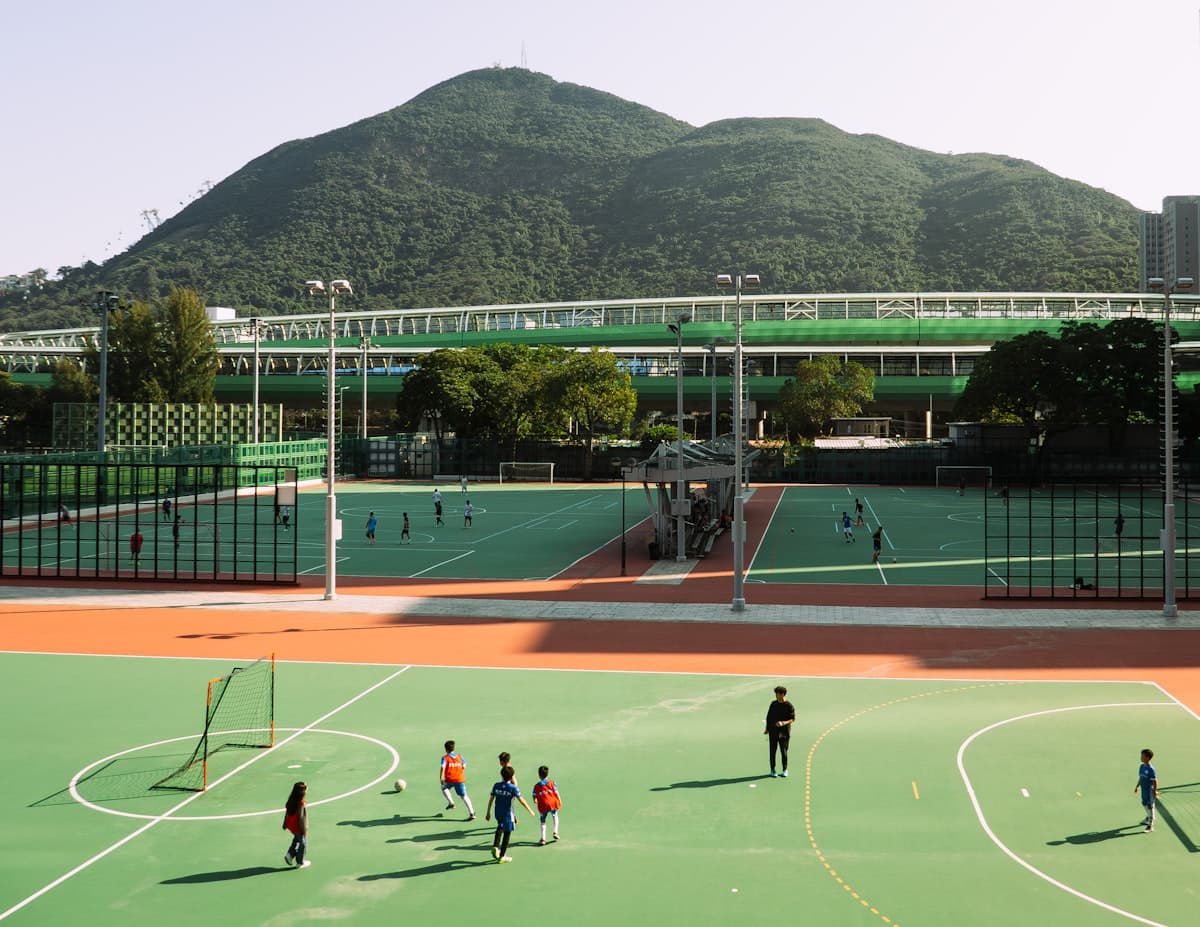
The training is developed for and with the local context. Three intensive days working together with UNGWERU right where it happens: in Soweto, Mzuzu.
“Not imposing our method. But discovering together what works in their context.”
Programme
Three themes. Three days.
Each theme gets its own day with practical blocks, reflection and feedback. Together they form the thread running through the training.
01
Collaboration
Cooperation
Exercise forms focused on connection, teamwork and achieving shared goals. Coaches learn how to make cooperation visible in play: keeping agreements, dividing roles, deciding together. Reflection questions help young people recognise cooperation outside the field too.
Part 1 covers the basics: achieving a goal together, listening, adapting. Part 2 goes deeper: dealing with disagreements, sharing responsibility, giving and receiving feedback.
02
Leadership
Leadership
Game and ball forms where participants get roles, make choices, give instructions and evaluate. Leadership here doesn't mean being the boss, but showing initiative with respect for others.
Coaches learn to distinguish between leading and dominating. In the exercise forms, it's about influence with respect: how do you give direction without belittling the other? How do you evaluate fairly?
03
Taking responsibility
Taking responsibility
Responsibility in three layers: for yourself, for each other and for the environment. Making behaviour visible, keeping agreements, improving together.
The exercise forms force choices: what do you do if someone doesn't keep the agreement? How do you look after equipment? How do you show you're there for your team? Coaches learn to name and reinforce this behaviour.

The workbook
Compact, practical, focused on application.
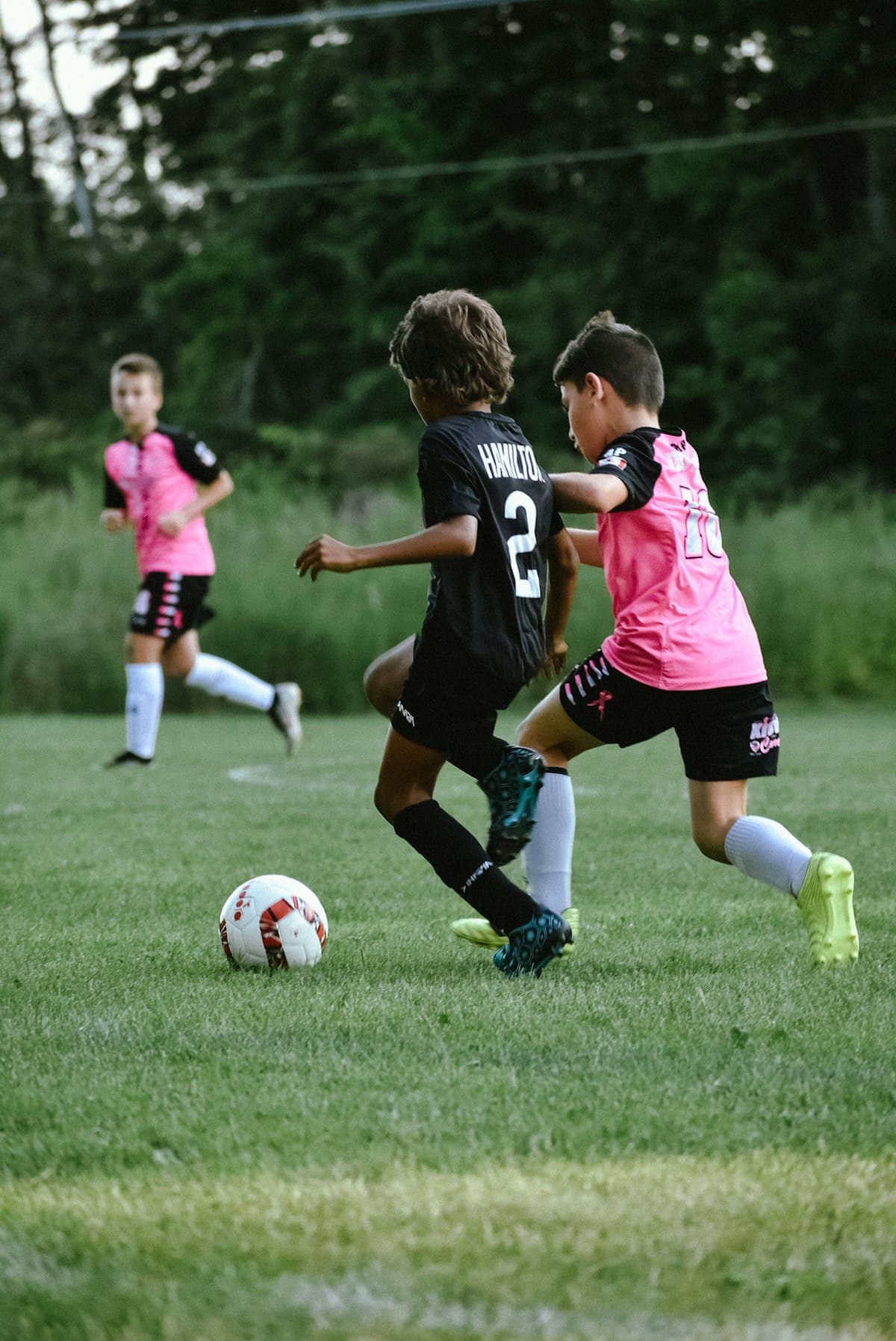
The workbook contains 15 exercise forms, divided across the three core themes. Each exercise follows the same clear structure so coaches can get started right away. Little theory, lots of clear steps.
The workbook is not meant as a reading book, but as a tool. Coaches use it before, during and after training. After the course, the workbook stays with the coach. A practical reference for every training session.
Preparation
Trainers are assigned 1 or 2 exercise forms in advance. They prepare coaching phrases, choose variations and formulate the learning goal. This way the training doesn't start from zero, but from preparation.
Learn by doing
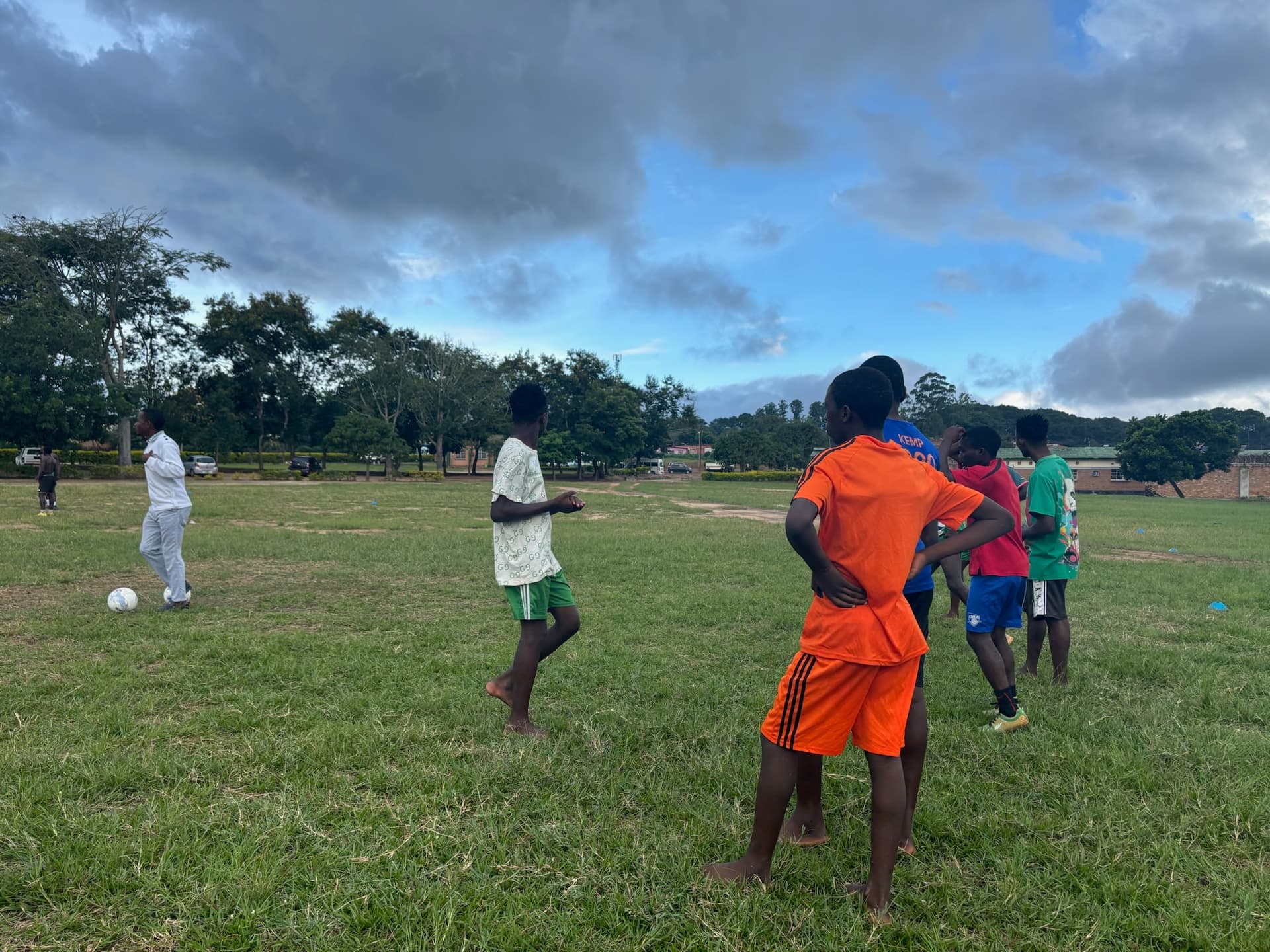
The training is fully practice-oriented: learn by doing. Trainers run exercise forms on each other in small groups. After each run there is direct feedback on explanation, safety, coaching language and the link to the theme.
Every exercise form contains
Learning goal
What do participants learn in this exercise form?
Preparation
What do we need? How much time? How do we set up the field?
Execution
Step-by-step instructions with clear coaching language
Reflection
Targeted questions to name and reinforce the behaviour
Variations
Options to make it harder or easier
Tips
Practical advice from experienced trainers

The programme
Three days, from foundation to certificate.
Each day builds on the previous one. The training combines short theory moments with extensive practical blocks and feedback rounds.
Before day one
Trainers are assigned exercise forms in advance. They prepare coaching phrases, choose variations and formulate the learning goal. This way the training doesn't start from zero, but from preparation.
Day 1
Foundation: coach role and communication
Morning
- Opening and introductions
- The role of the coach: leading by example and safety
- Communication in training: clear explanation, giving feedback, handling tricky situations
Afternoon
- Practical block: Cooperation exercise forms (part 1)
- Feedback rounds in small groups
- Reflection and closing day 1
Day 2
Deepening: themes in practice
Morning
- Opening & reflection on day 1
- Leadership in play: exercise forms part 1
- Coaches give instructions, others carry them out
Afternoon
- Practical block: Cooperation & Leadership exercise forms (part 2)
- Coaching the coaches: giving feedback
- Reflection and closing day 2
Day 3
Integration and certification
Morning
- Responsibility: individual and group exercise forms
- Coaches run all three themes independently
- Feedback on delivery and coach role
Afternoon
- Preparing for practice: workbook, materials, tips
- Certification & closing
- Next steps and follow-up support
Certification
Assessment on four criteria.
At the end of day 3 there is a final practical test. Coaches who pass receive the "Trainer Coach 1 – Football is Life" certificate. The assessment is clear and transparent.
Practical knowledge
Has mastered the three core themes in play. Can explain exercise forms correctly and runs them safely.
Coach role
Leads by example. Gives clear instructions and feedback. Builds trust with participants.
Reflection
Can articulate how young people grow. Builds reflection into the team. Has concrete plans for what comes next.
Engagement
Completes all three days in full. Participates actively in group work. Shows commitment to the project.
After the training
It only really starts after the certificate.
After receiving the certificate, coaches get to work independently in their own groups. The workbook is the basis, the training the foundation. But it doesn't stop there.
Working independently
Coaches run the programme in their own groups. The 15 exercise forms from the workbook form the common thread through their training sessions.
Follow-up after 6-8 weeks
After certification, trainers run the programme independently in their own groups. After 6 to 8 weeks there is a reunion moment to exchange experiences, sharpen the workbook and provide additional coaching.
Ongoing coaching
Coaches are not on their own. Through UNGWERU and Football is Life there is ongoing contact, support and monitoring. The goal: safeguard quality and help coaches grow.
Local anchoring
Connected to UNGWERU empowerment.
The Trainer Coach 1 training doesn't stand alone. The programme is directly connected to the broader empowerment programmes of UNGWERU in Mzuzu.
When coaches pick up on signals (a young person with problems at home, someone who needs extra support), they can refer them to UNGWERU. That cooperation is built into the programme: coaches know what they can do themselves, and when to escalate.
This creates a network around the young person. Football as the entry point, empowerment as the goal. Not as loose activities side by side, but as a coherent whole in which the coach plays a key role.
In consultation with UNGWERU we align on target group, logistics, cultural fit, selection of exercise forms and the link to the empowerment programme.
Spotting signals
Coaches are trained to recognise signals: changes in behaviour, absence, tension in the group. They know what to look out for.
Referring
Through a short, low-threshold line to UNGWERU, coaches can connect young people to additional support. No bureaucracy, direct action.
Cooperating
UNGWERU and the coaches work together on the wellbeing of young people. Regular consultation, feedback and adjustment ensure continuity.
Methodology
Built on sports psychology and experiential learning.
The Trainer Coach 1 training was developed by Paul van Zwam and Ivo Spanjersberg, both sports and performance psychologists with years of experience in top-level football and at Libre Foundation.
Characteristics of successful teams
- 01Clear ambition Knowing what you are working towards.
- 02Fun and humour A safe atmosphere where you dare to try.
- 03Trust Direct communication and honest feedback.
- 04Making the most of talent Everyone has a role.
- 05An own strength Discover what you are good at.
- 06Professional character Keeping agreements, showing respect.
- 07Continuous improvement Every training a step forward.
These principles form the basis of every exercise form in the workbook. Coaches learn not only what to do, but understand why it works.
The Libre Foundation methodology, based on experiential learning and direct feedback, has been translated into a programme that works in the context of Mzuzu. Practical, achievable and culturally fitting.
“We don't communicate that we are 'helping poor children'. We are building future opportunities together with local partners through football and empowerment.”

Invest in coaches.
A trained coach reaches dozens of young people.
Your contribution makes that possible.