Malawi.
The Warm Heart
of Africa.
A country with one of the world's youngest populations. More than half live below the poverty line. Yet there is warmth, resilience and an enormous hunger for perspective.
Key figures
Malawi in numbers.
Malawi has a population of 21.6 million. The median age is 17.8 years – nearly half the population is under 15. These numbers tell the story of a country where investing in young people is not a luxury, but a necessity.
17.8
Median age
One of the youngest populations in the world
21.6 mln
Population
Malawi population (2024)
46%
Under 15 years
70% of population younger than 30
>50%
Below poverty line
More than half live in poverty
81%
of the population earns a living from agriculture
68% to 75%
youth literacy rate increased between 2000 and 2015
70%
of the population is under 30 years old
Mzuzu
The city: Mzuzu.
Mzuzu is the third city of Malawi and the capital of the Northern Region. With over 221,000 residents, supplemented by about 20,000 university commuters, it is a vibrant regional hub.
The city is home to Mzuzu University and Mzuzu Stadium (capacity approx. 15,000). Ethnically diverse: Tumbuka is the most widely spoken language, alongside Chewa and Tonga.
The Diocese of Mzuzu plays a major role in education and community development, with 263 primary schools and 5 secondary schools. The largest religious denomination is the Church of Central Africa Presbyterian (28%), followed by the Catholic Church (17%).
Mzuzu is growing rapidly and attracting more and more young people. But facilities (education, healthcare, sport) are not keeping pace with that growth. Especially in the poorer neighbourhoods, the need is greatest.
221,272+
Population
Plus approx. 20,000 university commuters
3rd
Largest city
Capital of the Northern Region
15,000
Stadium capacity
Mzuzu Stadium
263
Primary schools
Under the Diocese of Mzuzu
Soweto
Soweto. Why here.
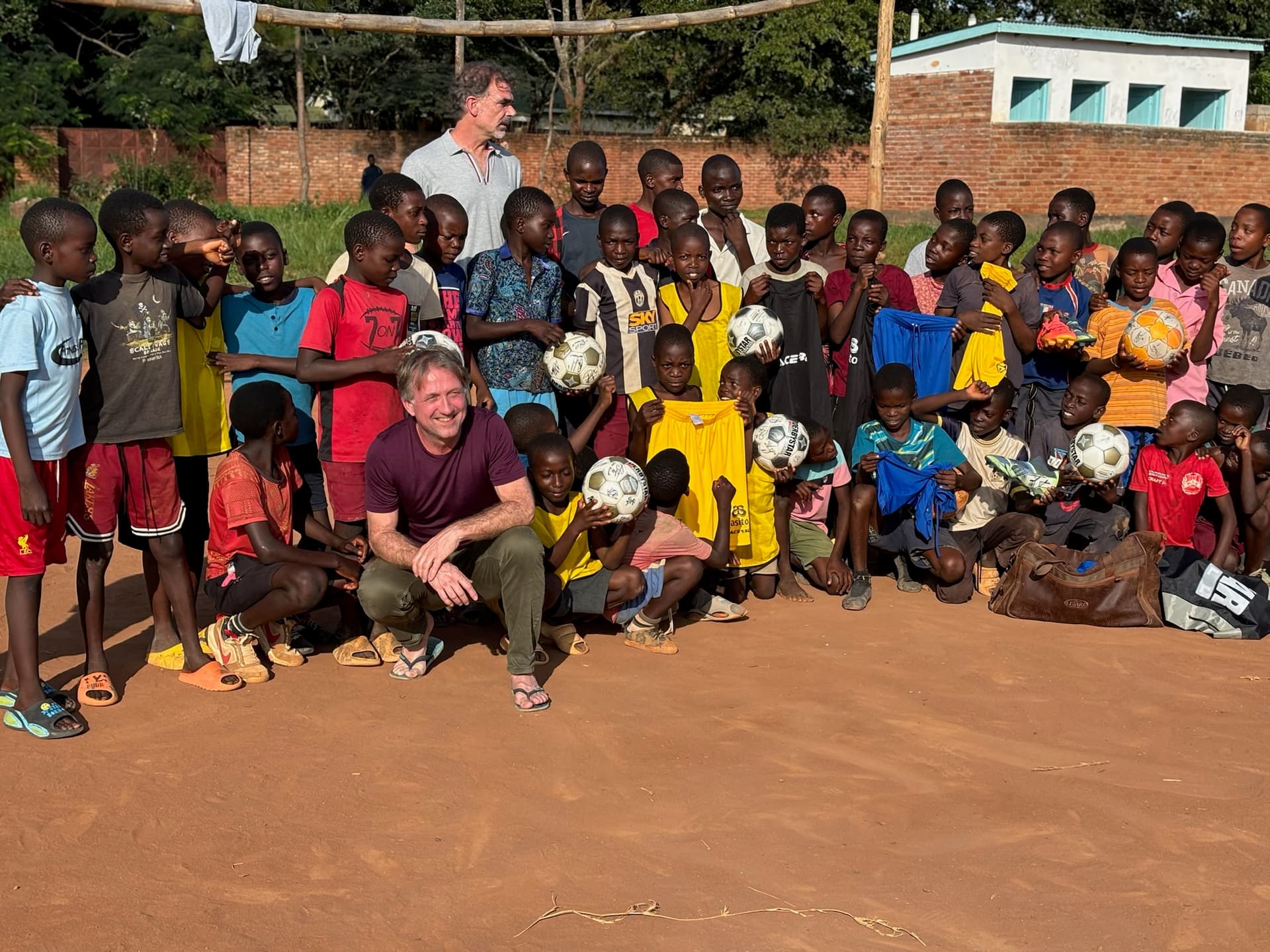
Soweto is the poorest neighbourhood of Mzuzu. Young people grow up here without facilities, without guidance, and without visible role models. There are no sports facilities, no community centres, no organised activities.
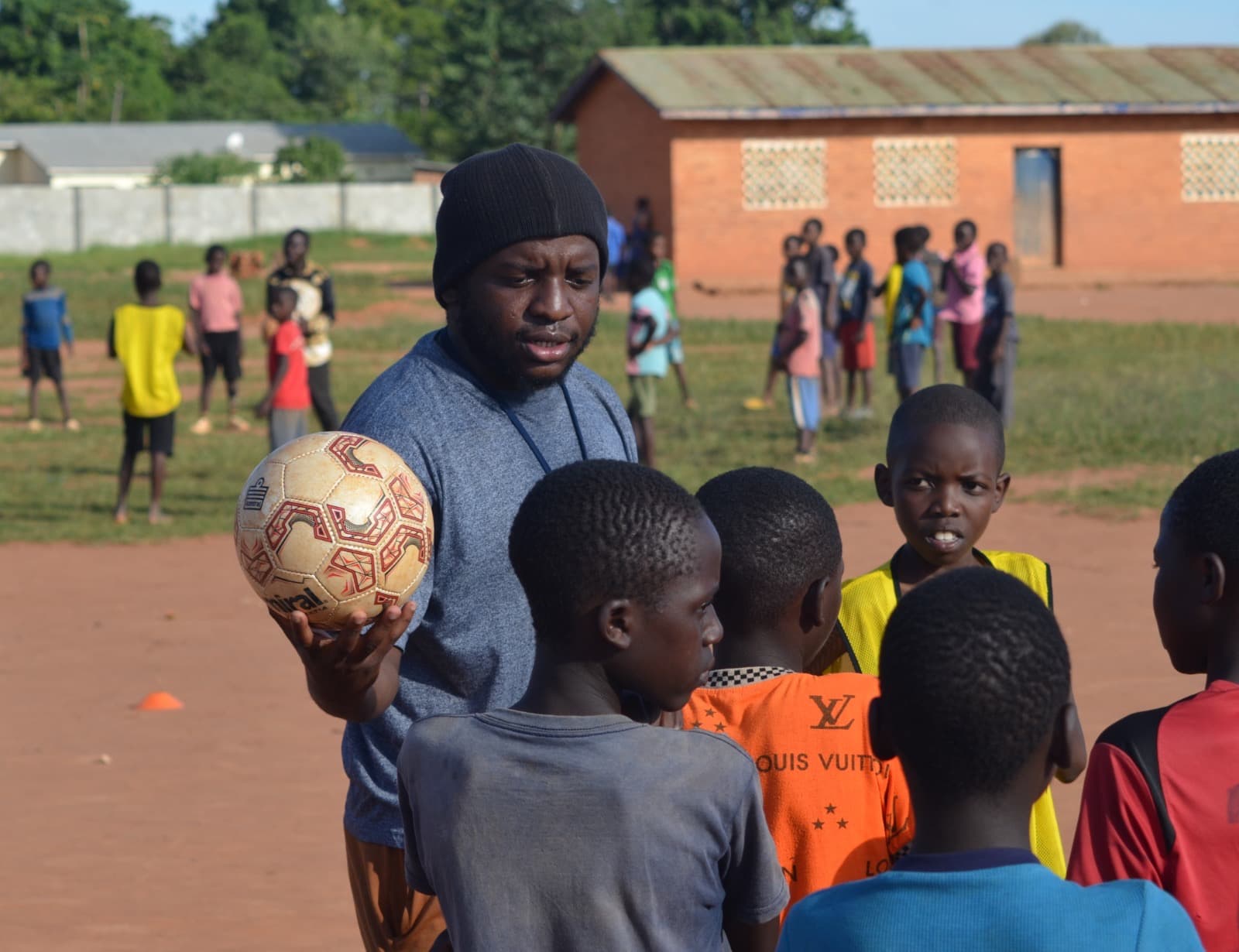
Football is Life deliberately chooses Soweto – because this is where the need is greatest. Not as a one-off action, but as a sustainable programme that is locally rooted and locally driven.
In collaboration with local partners UNGWERU and St. Patrick, we are building something that lasts: a football pitch, trained coaches, and a structure that gives young people stability.
Historical context
Mzuzu Diocese and the Irish missionaries.
The first Catholic mission in northern Malawi was established in 1938 by the White Fathers, later known as the Missionaries of Africa. They laid the foundations for the education network that characterises the diocese today.
In 1970, the first priests of St. Patrick's Missionary Society arrived: Fathers Alfie Byrne, Frank Morris, Padraig O Maille and Pat McGivern. Since then, the diocese has built an extensive network of 263 primary schools, 5 secondary schools and 3 colleges.
Bishop John Ryan, a member of St. Patrick's Missionary Society, plays a special role in this story. In addition to his pastoral work, he lectures in mathematics at Mzuzu University. In 2004 he founded UNGWERU as a community-based organisation. Today, UNGWERU is a registered NGO and one of the most important partners of Football is Life.
263 primary schools under the diocese
5 secondary schools
3 colleges
Since 1970: St. Patrick's Missionary Society
UNGWERU founded in 2004 by Bishop John Ryan
This combination of education, community work and sport forms the foundation on which the Football is Life project is built. The infrastructure and trust built up over decades makes our work possible.
Sport for development
Why football works.
Football is the most popular sport in Malawi. It is accessible, connects people, and can be played anywhere. But football is more than a game – it is a proven instrument for social development.
Sport-for-development programmes use sport as a means to reach young people who are unreachable through traditional channels. The pitch becomes a classroom, the coach becomes a mentor, and training becomes a moment of personal growth.
Social integration
Football brings people together, regardless of background, ethnicity or religion. On the field, everyone is equal.
Leadership and cooperation
Sport teaches young people to take responsibility, cooperate and make decisions under pressure.
Health and wellbeing
An active lifestyle improves physical and mental health – especially in environments where healthcare is limited.
Proven in Mzuzu
Research from the United Kingdom confirms that sport-for-development programmes in Mzuzu effectively contribute to youth empowerment.
Challenges
Youth in Malawi.
The young population of Malawi faces structural challenges. Without targeted intervention, millions of young people are left behind.
01
Education under pressure
Youth literacy rose from 68% in 2000 to 75% in 2015 – but there's still a long way to go. Many young people drop out of school due to lack of resources or guidance.
02
Unemployment and structure
With 81% of the population dependent on agriculture, economic opportunities for youth are limited. Few find work outside the informal sector.
03
Lack of facilities
In neighbourhoods like Soweto, sports facilities, community centres and organised activities are lacking. Young people literally have nowhere to go.
04
Role models and guidance
Without visible examples and structured guidance, it's difficult for young people to develop perspective. Coaches can fill that role.
Location
At the heart of Southeast Africa.
Malawi is a narrow landlocked country in Southeast Africa, bordering Mozambique, Tanzania and Zambia. Lake Malawi, one of Africa's largest lakes, dominates the eastern border.
Mzuzu is situated in the north, approximately 370 kilometres from the capital Lilongwe. The city is an important hub for trade, education and transport in the Northern Region.
Kaart: © OpenStreetMap contributors (ODbL). Marker: Mzuzu — Soweto is een wijk binnen Mzuzu.
Images
Life in Mzuzu and Soweto.
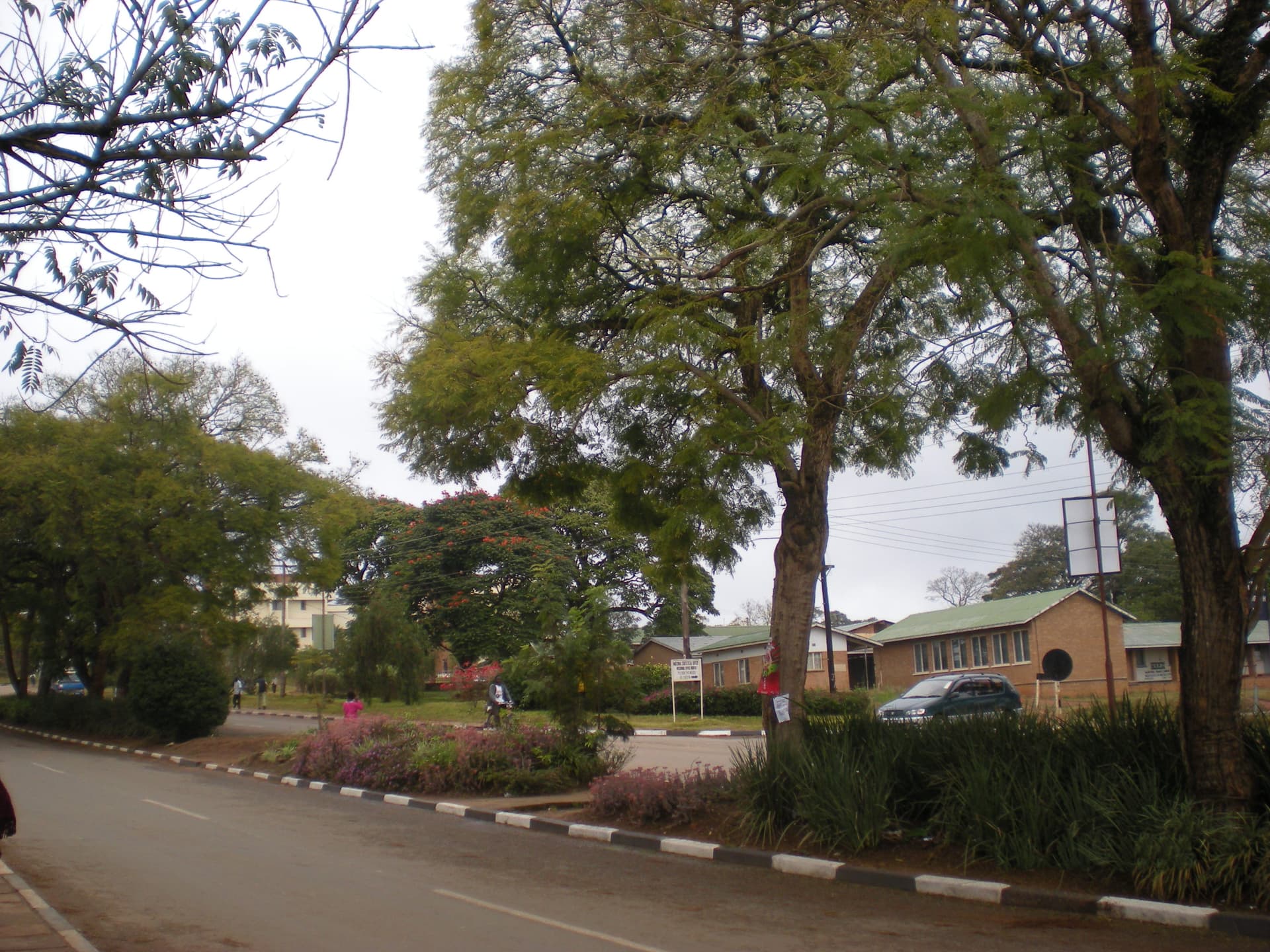
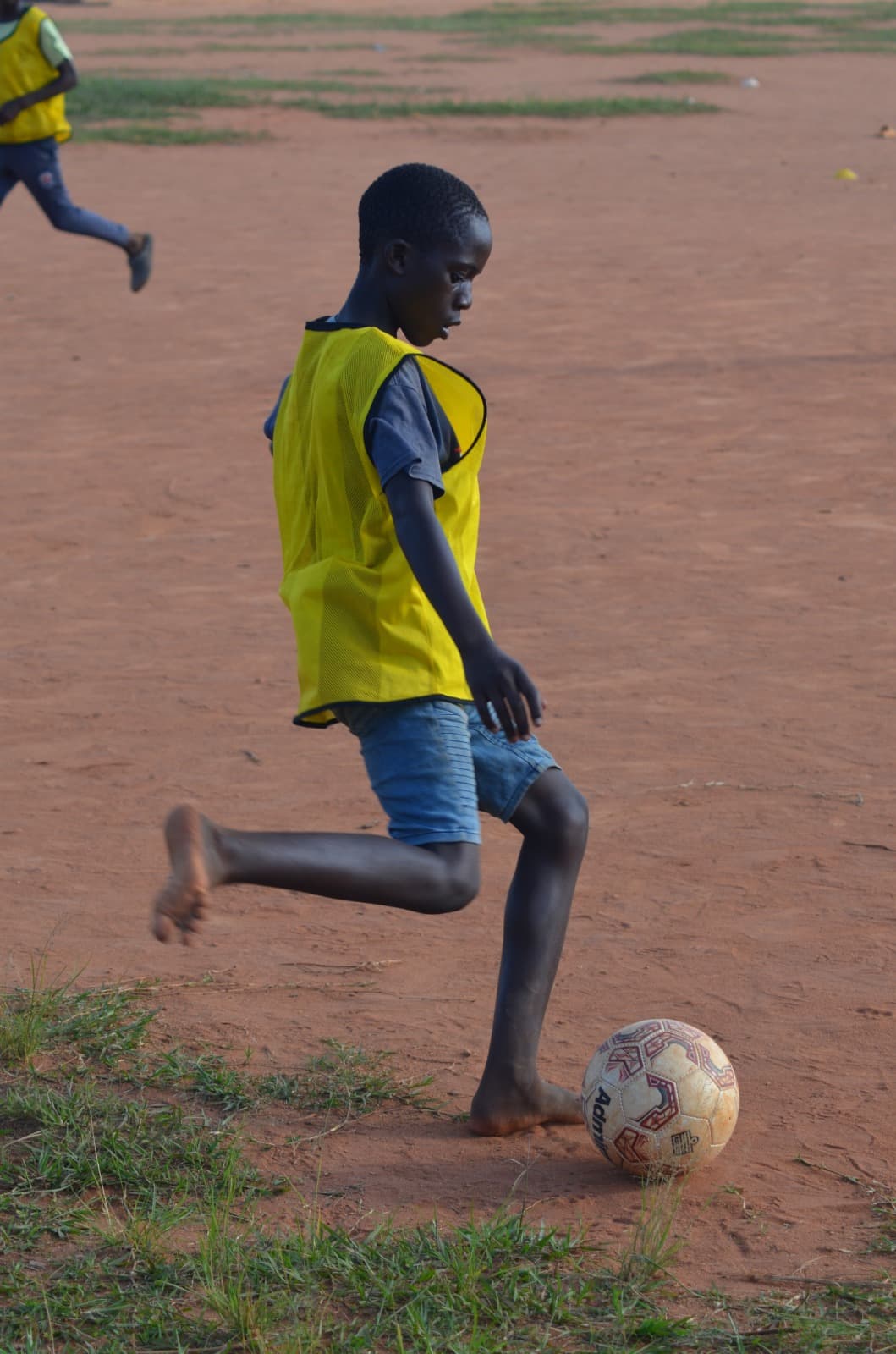
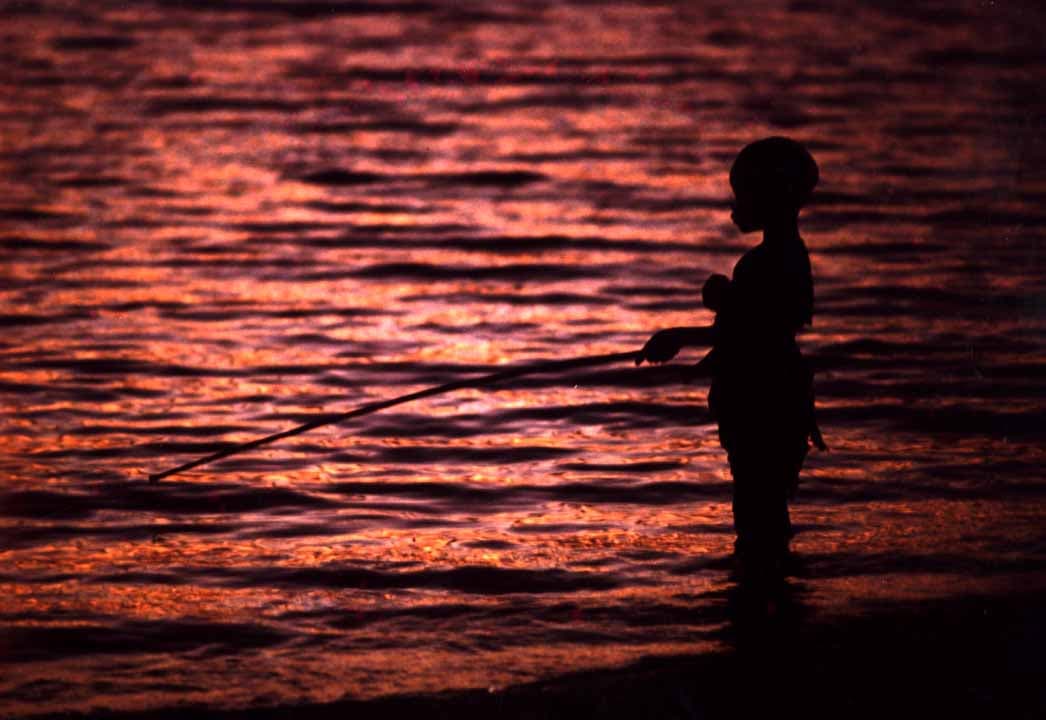
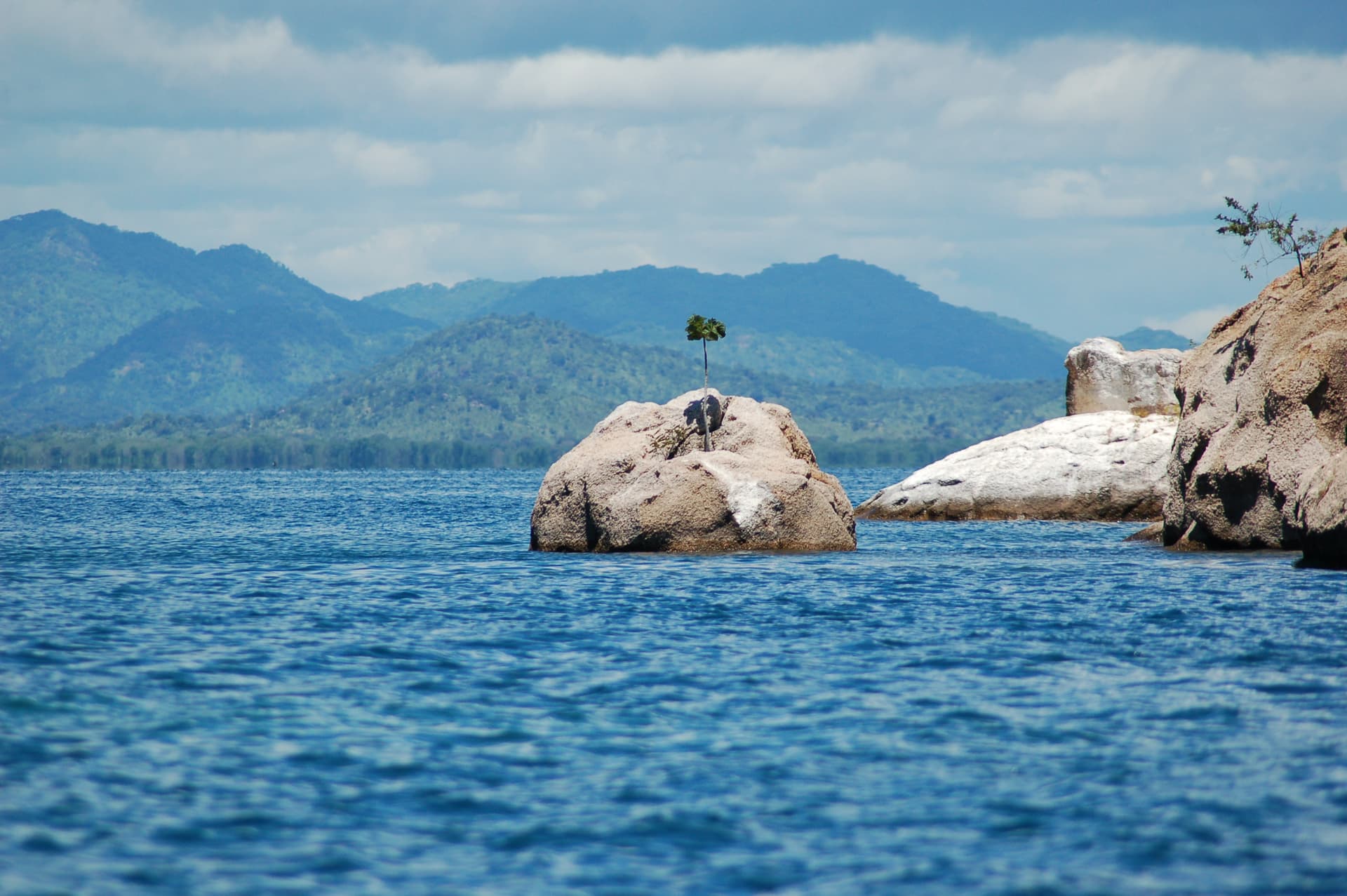
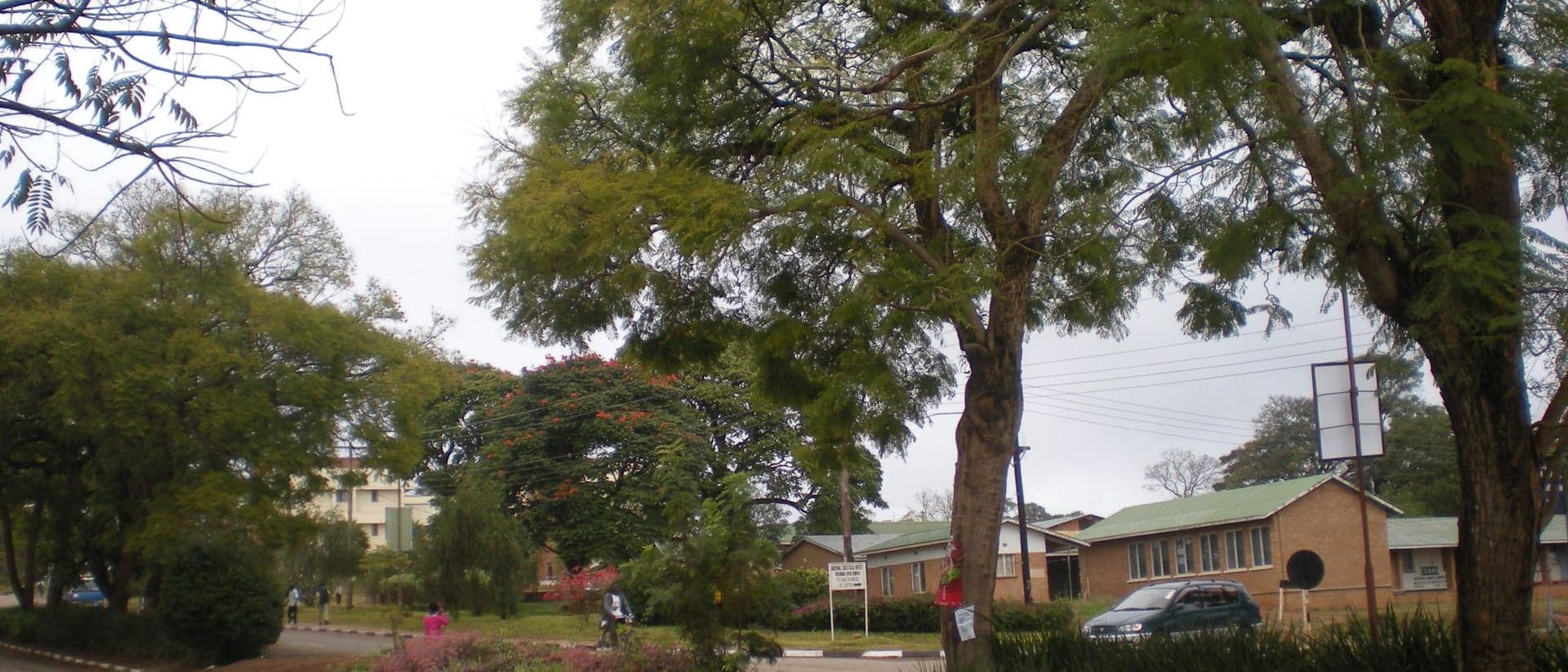
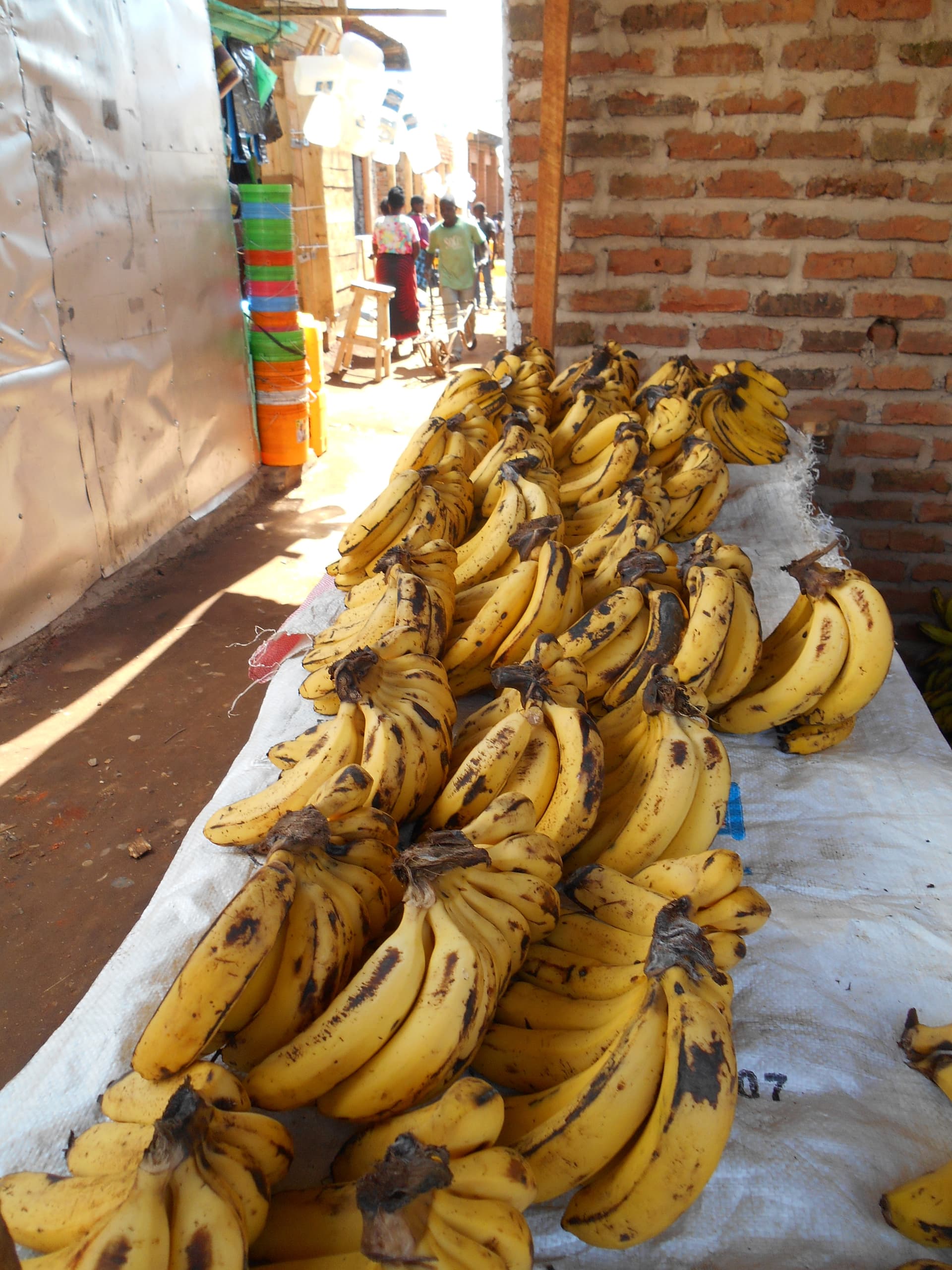
Foto's: “A street in Mzuzu” © Malawiana (Public Domain) · “Mzuzu Market” © Mike W. / SqueakyMarmot (CC BY-SA 2.0) · “Malawi 2” © Steve Evans (CC BY 2.0) · “Cape McLear, Malawi” © Joachim Huber (CC BY-SA 2.0)
This is why we are here.
Soweto, Mzuzu, Malawi. A place where young people don't ask for help, but where creating opportunities makes all the difference.